Interaction Design for Self-Nudging
Feb 28, 2024
Exploring Human Decision-Making and the Role of Information Technology

Introduction
Advances in information technology have profoundly changed people's lives, and in recent years the rise of generative AI (e.g., ChatGPT, DALL-E 2, Midjourney) has brought major social transformation.
However, new harms have also emerged, such as the attention economy driven by social media and dark patterns on web services.
These problems arise because content designed to capture attention and the influence of recommendation systems can steer users into disadvantageous behaviors unconsciously.
To address these issues, this research focuses on users' decision-making processes and explores how to design technologies that reduce regret from unconscious behavior and encourage more deliberate action.
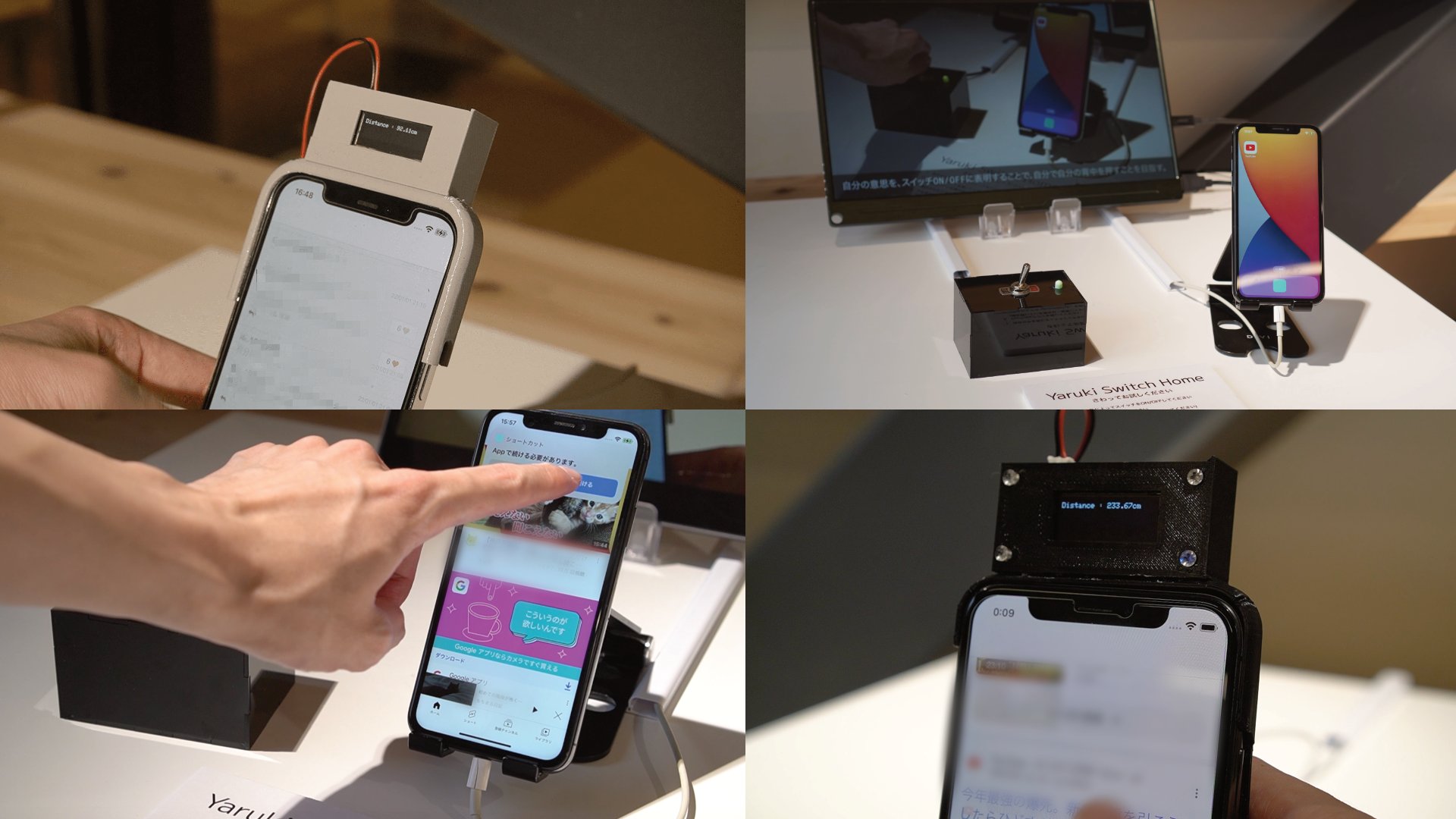
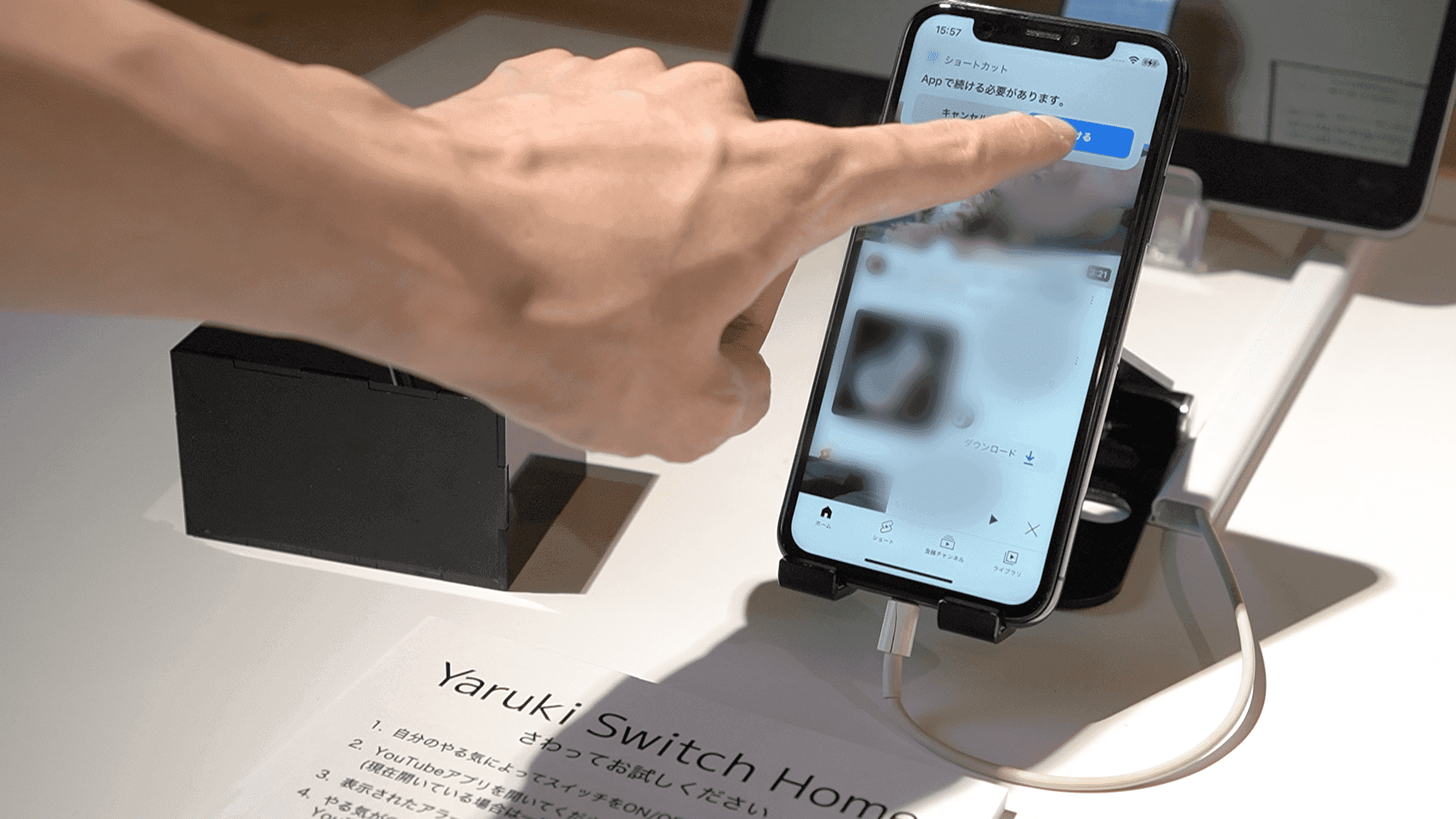
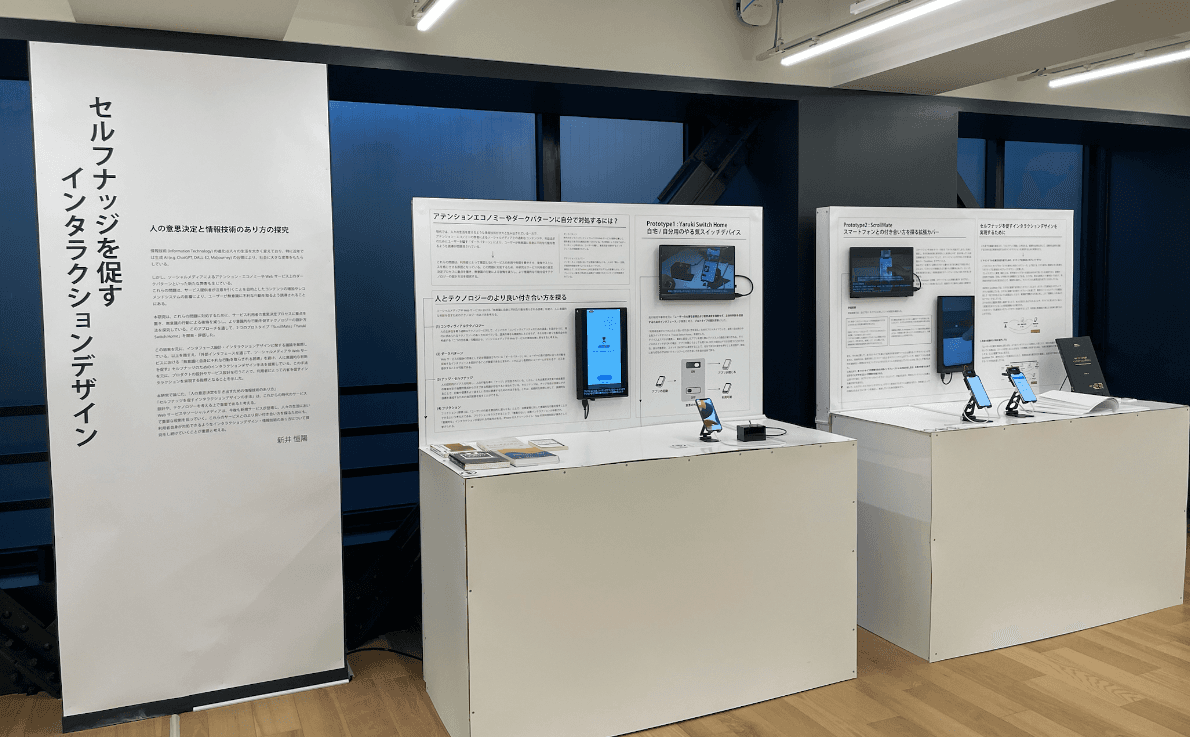
Through this approach, two prototypes, "ScrollMate" and "Yaruki Switch Home," were developed and evaluated, and the results were used to discuss interface and interaction design.
Based on these findings, this work proposes an interaction design method for self-nudging: through external interfaces, avoiding inducements in social media and web services that unconsciously push people toward self-disadvantaging behavior, and prompting conscious judgment.
It also shows that designing products and services based on this method can serve as a guideline for creating interactions that promote user reflection.
The perspectives discussed here, including how information technology can elicit human decision-making and methods of interaction design that promote self-nudging, are important for future service and technology design.
Web services and social media will continue to evolve and play important roles in people's lives. To find healthier ways of engaging with these services, it is essential to keep exploring interaction design and information technology that users can use to regulate themselves.
note